
For many CEOs, the marketing department operates like a magic box. Investments go in, but the connection between creative campaigns and actual revenue remains frustratingly unclear. This disconnect not only undervalues marketing’s true potential but also hinders predictable growth. How do you bridge this critical gap?
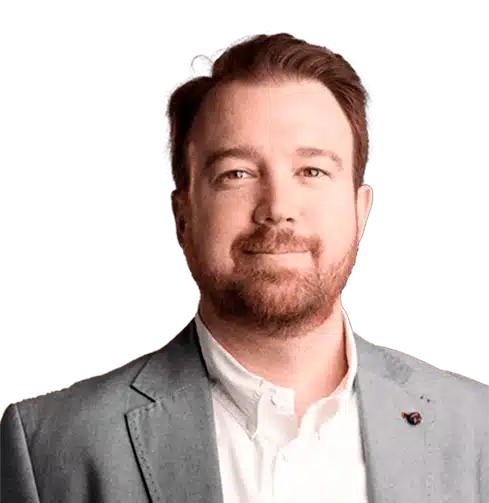
This is the central question Amy Osmond Cook, Ph.D., Co-Founder and CMO at Fullcast, discussed with industry leader Mike Rizzo on The Go-to-Market Podcast.
As the Founder and CEO of MarketingOps.com and MO Pros®, Rizzo argues that the solution lies in Marketing Operations (MOps), the often misunderstood discipline that builds the engine for growth.
Their conversation provides a blueprint for building a modern marketing operations strategy, elevating the MOps function from a tactical support role to a strategic driver that connects every marketing action directly to business outcomes and your entire go-to-market plan.
“Marketing ops isn’t marketing. It’s not just marketing. It’s a hybrid discipline that merges technology, finance, data, and strategy.”
– Mike Rizzo, Founder and CEO of MarketingOps.com
Why Marketing Ops Isn’t “Just Marketing”
To build a high-performing go-to-market engine, leaders must first redefine what marketing operations truly is. It is not a tactical function limited to sending newsletters or managing a CRM. A modern marketing operations strategy is not a support function; it is the engineering discipline of the entire go-to-market team.
Recently, Mike Rizzo challenged the community with a provocative idea: “Marketing ops isn’t marketing.” His point is that the function is so much more.
“It’s not just marketing,” he clarified. It’s a hybrid discipline that merges technology, finance, data, and strategy. This shift in perspective is the first step toward unlocking its true value.
Cultivating the MOps Mindset
A fundamental mindset, not mastery of a specific tool, defines successful MOps professionals. As Rizzo explained, many people in the field “stumbled and found their way into it” from diverse backgrounds like ad tech or digital marketing. This journey cultivates a unique DNA built on three key traits:
- Innate Curiosity: A need to understand how things work drives the best MOps professionals. They constantly ask, “Where does the data come from and where does it go?”
- Methodical Organization: They possess a natural inclination for structure and process. Rizzo shared an anecdote about posting a picture of his meticulously organized garage to the MO Pros community, which resonated deeply with members. This methodical approach is essential for managing complex systems.
- A Broad Perspective: Because they often come from varied backgrounds, MOps leaders develop a “mile wide, inch deep type of skillset” that allows them to connect dots across the business that others miss.
Your GTM Product Manager
The most effective way to frame the modern MOps leader is not as a support role, but as the “product manager” for the company’s GTM technology infrastructure.
Their job is to translate business needs into a cohesive and efficient tech stack that empowers the entire revenue team.
This requires a deep technical understanding of everything from database structures and object relationships to how various platforms integrate. They are responsible for building the “tech stack of the future,” a role that requires a holistic view of the end-to-end go-to-market ops framework.
How a Strong MOps Strategy Translates to Revenue
A strategic MOps function directly addresses the C-suite’s primary concern: return on investment. By building the right infrastructure, MOps translates marketing activities into provable business outcomes and enables data-backed conversations with leadership.
From Marketing Metrics to Business Impact
As Amy Cook noted, a common pain point for marketing leaders is the pressure to produce numbers without the ability to connect them to revenue.
“There was a huge gap in every single company that I was in,” she said. “They did not know how to quantify the connection between the marketing metrics and how it applies to revenue.”
This is precisely the problem MOps solves. By building the infrastructure for tracking, attribution, and reporting, marketing operations translates vanity metrics into meaningful business outcomes.
They connect the campaign click to the closed-won deal, proving marketing’s contribution to revenue and preventing leadership from devaluing the function. This is a critical component of bringing strategic value after annual planning.
Speaking the Language of the C-Suite
A strategic MOps leader becomes a strategic partner to the executive team because they understand the fundamental mechanics of the business. Rizzo emphasized the importance of understanding concepts like finance and revenue recognition.
This business acumen allows them to have constructive, data-backed conversations with finance and sales leaders about company growth.
They aren’t just reporting on email open rates; they are discussing how marketing initiatives are fueling the pipeline and affecting revenue growth. As the 2025 Benchmarks Report highlights, this level of data discipline directly improves sales efficiency and predictable revenue.
How to Structure and Hire Your Marketing Team
Many leaders fall into the trap of hiring one “marketing unicorn” and expecting them to do everything. Building a modern marketing team requires hiring for two distinct roles from the start: a strategic marketer to set the vision and an operations professional to build the engine.
Investing in operations is not a luxury; it’s a foundational necessity.
The Product & Engineering Analogy for Your GTM Team
To illustrate the need for distinct marketing and MOps roles, Rizzo offered a powerful analogy from the software world. “You hire product managers to figure out what to build and developers to figure out how to build it,” he explained.
The same logic applies to your GTM team. You need a marketing leader with the vision and ideas (the product manager) and an operations leader who understands the “art of the possible” with technology to execute that vision (the developer).
Asking one person to be both undermines success, which is why aligning sales strategy with sales operations is just as critical as aligning marketing strategy with its operational counterpart.
Your First Two Essential Marketing Hires
For any growing company, the first two marketing hires are critical. Based on their conversation, Cook and Rizzo advocate for a strategic partnership:
- The Versatile Marketing Director: This person sets the strategy, creates content, and drives demand generation. They are the visionary.
- The Marketing Ops Professional: This person builds the foundation. They ensure the expensive tech stack is implemented correctly and that results can be measured from day one.
Without the MOps hire, the marketing director is operating without performance data, and the company’s investment in platforms like Salesforce and marketing automation is wasted. Effective GTM planning depends entirely on this partnership.
Protecting Your Engine During Downturns
In times of economic uncertainty, marketing is often the first department to face cuts. However, lumping MOps in with the broader marketing budget is a critical mistake. Rizzo argues that the phrase “Marketing ops isn’t marketing” serves as a defensive guardrail.
During layoffs, the MOps professional is one of the few people who understands how the entire revenue technology stack functions. Firing them is like firing the engineers who maintain your core product. It paralyzes the GTM team’s ability to execute. This is why leading companies like Collibra and Udemy invest heavily in operational platforms to ensure continuity, efficiency, and resilience.
Build the Machine, Not the Magic Box
A modern marketing operations strategy forges the path from the back office to the boardroom. By elevating the MOps function from tactical support to a strategic driver of GTM success, you create the critical link between marketing activities and tangible revenue outcomes, enabling data-driven conversations with company leadership.
To build a truly scalable growth engine, leaders must structure their teams with distinct marketing and MOps roles, just like separating product vision from engineering execution.
Investing in marketing operations is not an expense; it is a strategic investment in the predictability, efficiency, and scalability of your entire revenue engine. Stop looking for a marketing magician and start building the machine that creates repeatable success.