
by FULLCAST | Sep 23, 2026 | Blog
Cory Coult, Senior Director of RevOps at Avalara, explores the evolution of “Go-to-Market engineering” and the importance of maintaining oversight in the age of AI. He explains why building internal MVPs—or “C products”—is the most effective way to scale a revenue engine without ballooning costs.

by FULLCAST | Sep 17, 2026 | Blog
Most business owners fail to realize their payday because they remain the “hub and spoke” of their company’s daily operations. Mark Hartmann explains how to pass the “kidnap test” and de-risk your business years before attempting a lower middle market exit.
by Amy Cook | Sep 15, 2026 | Blog, Uncategorized
Discover why Fullcast is emerging as a leader in revenue orchestration by connecting GTM planning, execution, intelligence, performance, and compensation.

by FULLCAST | Sep 4, 2026 | Blog
While AI can replicate patterns of the past, it lacks the original creative spark and nuanced intonation that defines a truly authentic brand voice. Chris Perkins explores why “human-in-the-loop” interactions are the only way to break through the noise of modern automated marketing.

by FULLCAST | Aug 31, 2026 | Blog
Scaling a revenue engine requires a shift from “setting and forgetting” to a culture of constant curiosity and data governance. Debra Estrada shares why the secret to predictable growth lies in leveraging AI for internal data mining rather than risky, low-quality external automation.

by Amy Cook | Aug 31, 2026 | Blog
The most underutilized asset in your revenue engine isn’t a new tool or AI-powered sequence — it’s the relationships already surrounding your company. Olivier Roth, co-founder and Chief Growth Officer at The Swarm, joins the Go-to-Market podcast to explain how leading sales teams are mapping and activating their networks to replace cold outreach with high-converting warm introductions.

by Amy Cook | Aug 17, 2026 | Blog
Generally, RevOps leaders don’t struggle with time-management skills. The problem is that many companies have built a revenue operating model that consumes the very people who are supposed to improve it.

by Amy Cook | Aug 13, 2026 | Blog
The blueprint to fixing your revenue engine may already exist inside your own sales data. New research analyzing 650,000+ opportunities reveals what top sellers do differently — and how to turn those behaviors into a repeatable system for your entire team.
by J'Nel Wright | Aug 13, 2026 | Blog
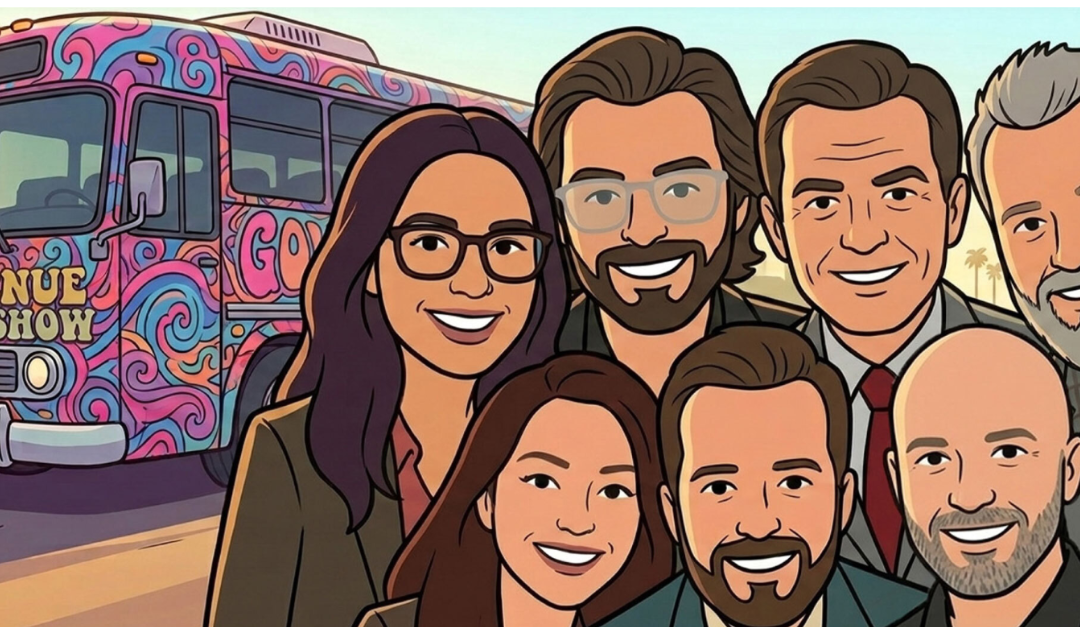
Revenue Roadshow is designed around real-world issues such as creating balanced sales territories, establishing achievable quotas, accelerating lead response, improving forecast accuracy, automating commissions, and turning CRM data into actionable executive insights.




