









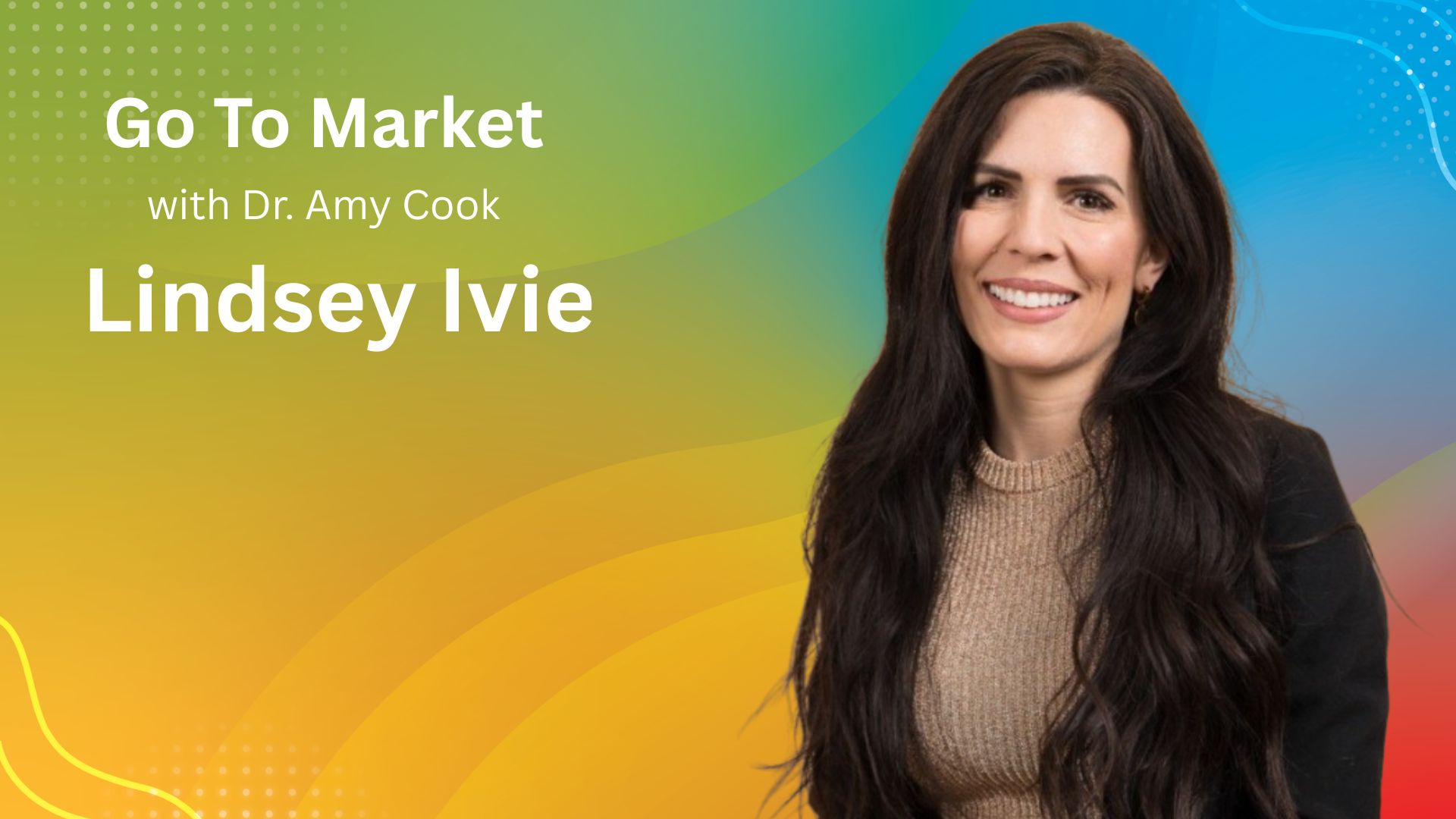
What separates an unforgettable event from one people forget before they reach the parking lot?
For Lindsey Ivie, VP of Partnerships at Silicon Slopes, the answer has very little to do with stages, keynote speakers, or event technology.
It’s about designing experiences that people genuinely want to be part of.
In this episode of The Go-To-Market Podcast, Amy Osmond Cook, CMO and co-founder of Fullcast, sits down with Lindsey to discuss entrepreneurship, partnerships, event marketing, artificial intelligence, and why the future of conferences is becoming far more interactive.
Here are some interview highlights:
Amy Cook: People know you today as the VP of Partnerships at Silicon Slopes, but your career started long before that. Tell us how you got here.
Lindsey Ivie: I’ve always been a bit of an entrepreneur. Even when I was young, I was always finding side hustles, building things, and looking for ways to connect people.
I started in catering, then moved into retail at companies like Best Buy and RC Willey. Looking back, those experiences taught me how to serve people, understand what they needed, and create value. I still use those lessons every day.
Amy : How did those early experiences evolve into partnerships and event strategy?
Lindsey: I eventually moved into the telecom industry, where I discovered channel partnerships. I loved sitting between clients and trusted partners, helping everyone succeed together.
Later, I spent several years consulting with SaaS companies, software startups, and technology businesses, building partner programs from the ground up.
I was doing business development, marketing, sales—whatever helped companies grow.
“Always think about the other person’s experience first.”
Amy: You seem to have an incredible instinct for creating events that people actually want to attend. Where did that come from?
Lindsey: Honestly, it happened by accident.
Years ago, one of the startups I was helping had a product that wasn’t quite ready after launch, so we couldn’t keep selling it.
Around that same time, LinkedIn had just introduced video. A coworker and I stood outside Topgolf and recorded a quick invitation to something we called ‘Topgolf Tuesday.’ The first event attracted only a couple of people.
But we kept showing up.
Week after week, more people came until eventually there were around 80 people attending. That’s when I realized people don’t just want networking events. They want experiences.
“Whether you’re planning an event, building a partnership, or creating a community, success comes from understanding what people truly need.”
Amy: One thing I’ve always admired about your events is that you think differently. You’re always asking, “How do we make this more engaging?” Where do those ideas come from?
Lindsey: I always put myself in the attendee’s shoes. Before I plan an event, I visualize the entire experience—from the moment someone arrives until they leave. I ask myself:
Would I enjoy this?
Would I learn something?
Would I remember it?
If the answer is no, we change it.
“If you consistently create value for others, everything else tends to follow.”
Amy: Events have become incredibly competitive. Everyone is hosting conferences, meetups, and networking events. What do you think is changing?
Lindsey: People expect more now. Traditional conferences still have value, but sitting in a ballroom listening to speakers all day isn’t enough anymore. . . People want workshops. They want to build something. They want hands-on learning.
At Silicon Slopes, we redesigned StartFest around that idea by creating dozens of interactive breakout sessions instead of long presentations.
The AI workshops were packed because people aren’t just curious about AI anymore—they need to learn how to use it.
Amy: One of my favorite experiences was the AI retreat you organized in Newport Beach. It combined education with Disney’s Star Wars Night and created an experience people still talk about. What made that event different?
Lindsey: We wanted to think beyond a traditional conference. The goal wasn’t just to teach AI. It was to create an environment where people learned together, built relationships, and had memorable experiences outside the classroom. We mixed hands-on workshops with activities people couldn’t easily replicate elsewhere.
When people share those experiences together, the learning sticks.
Amy: AI seems to have changed the way you work personally, too.
Lindsey: It completely changed how I work. After our AI training, I started building apps that solved problems I’d been thinking about for years. One of my favorites is an event-planning application I built for myself. Instead of trying to keep everything in my head, I can now visualize floor plans, sponsor layouts, attendee flow, and the entire event experience before anything is built. As a visual thinker, AI has completely changed what’s possible.